Empowering Lives: Navigating Cancer with Education, Support & Hope
In a world where the word "cancer" can evoke fear and uncertainty, understanding the journey through oncology becomes imperative. Knowledge is not just power; it is empowerment. Cancer education plays a pivotal role in transforming patients' experiences from helplessness to hope. Imagine facing a cancer diagnosis, and instead of being consumed by despair, you are armed with the insights needed to advocate for yourself effectively. This understanding is crucial in reshaping the narrative surrounding cancer care, reminding us that informed patients can take control of their health and wellness. So, how does one cultivate this priceless knowledge?
As we delve deeper into the realm of cancer education, we uncover a treasure trove of resources. From community support groups to online health blogs, the options for learning about treatment options, clinical trials, and even alternative therapies are abundant. Have you ever wondered how much impact patient stories can make? Witnessing the resilience of cancer survivor stories makes the journey feel less isolating; it shows that others have traversed the same difficult path and emerged stronger. By sharing knowledge and personal experiences, we foster a sense of solidarity among those navigating the challenges of a cancer diagnosis.
When it comes to mental health in cancer, the relationship between emotional well-being and recovery cannot be overstated. Patients armed with knowledge about their condition are likely to experience less anxiety and fear. Engaging in discussions with an oncologist about the specifics of one's diagnosis, possible treatment avenues, and the latest medical insights can create a more collaborative relationship in cancer care. Are we not all deserving of the best resources for cancer and its treatment? By prioritizing education, patients can foster a proactive mindset, allowing them to make informed decisions about their health and wellness.
Nutrition for cancer patients also deserves a spotlight in this discourse. It’s not merely about ensuring sustenance; it’s about enhancing quality of life and potentially improving treatment outcomes. With the right dietary choices, patients can support their immune systems and overall well-being. There’s no magic bullet, but small, informed changes can create a sense of empowerment. How often do we hear discussions around food in a cancer care setting? By integrating nutritional education into cancer care, patients can better navigate their journey, knowing that every bite they take plays a role in their healing process.
Ultimately, the essence of patient advocacy lies within cancer education. Knowledge is a tool that equips patients to have candid conversations with their physicians, seek out clinical trials, and explore avenues for cancer prevention. Empowered patients are more likely to express their concerns, ask questions, and embark on wellness journeys that are tailor-made for them. Embracing cancer education unlocks the door to not just surviving but thriving, inspiring hope for cancer patients and their families. Remember, it’s not just about managing a diagnosis; it’s about empowering lives through informed choices.
Building a Support Network: How Community and Resources Enhance Cancer Care
Building a support network can feel like assembling a jigsaw puzzle during a storm—every piece is crucial, but it can be challenging to find them all. In the realm of cancer care, this support network is an essential part of the picture. Having a community of advocates, healthcare professionals, and fellow patients can change the way one navigates the oncologist's office and options for treatments. Cancer education is the foundation on which this network rests, allowing individuals to empower themselves and those around them with knowledge. How do we connect these seemingly scattered pieces to form a robust network of hope for cancer patients?
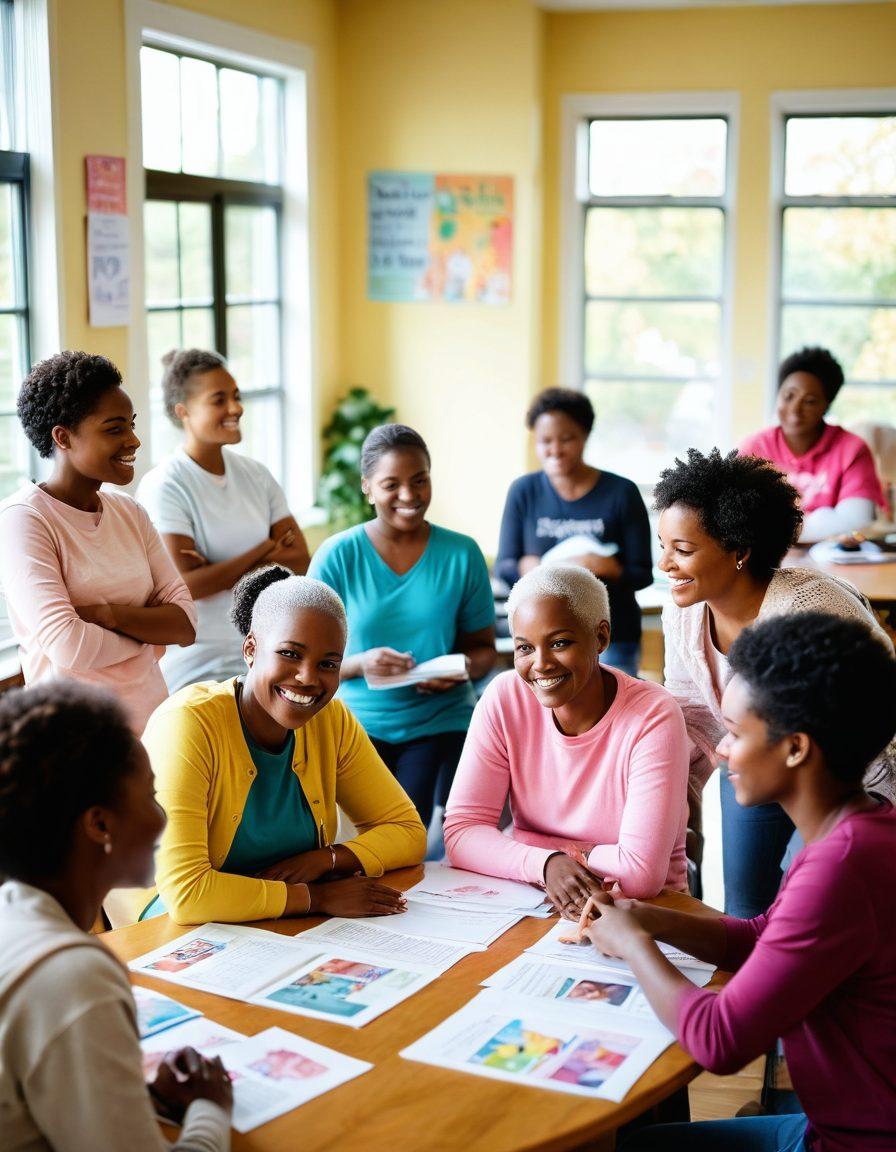
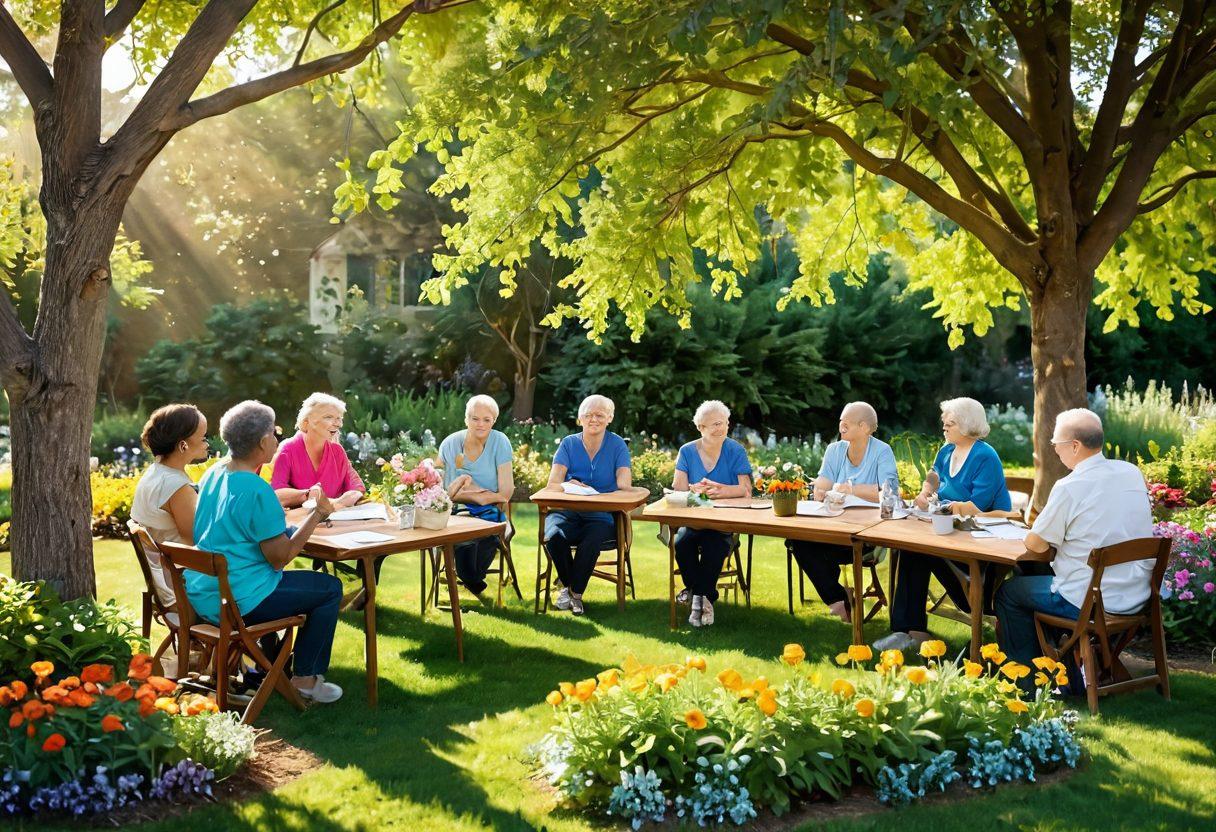
Imagine stepping into a room filled with individuals who share similar experiences, their stories echoing resilience and strength. Support groups provide a space where emotional weight can be shared and mental health in cancer discussed without judgment. These groups not only offer insights into patient advocacy but connect individuals confronting similar battles. As cancer survivor stories unfold, they highlight the invaluable role of community in navigating the maze of cancer care—offering not just shared experiences, but effective strategies for tackling cancer diagnosis and recovery. Have you ever encountered someone whose story inspired your own journey?
Access to resources for cancer is fundamental, yet often underutilized. An informative health blog can serve as a powerful tool in building this network, connecting patients to oncology specialists, treatment options, clinical trials, and even alternative therapies. Health awareness is a topic that resonates beyond mere survival; it involves thriving through nutrition for cancer patients, self-care, and comprehensive wellness practices. Wouldn’t it be remarkable if every cancer patient could tap into these resources at their fingertips, lifting some burden off their shoulders?
While traditional cancer care is vital, the realm of alternative therapies offers a fascinating perspective on healing. From mindfulness practices to acupuncture, there are diverse methods to complement conventional treatment options. Each cancer diagnosis is unique and so must be each response to treatment. The beauty of building a support network lies in having access to varied perspectives that help to navigate the complexity of cancer care. Have you explored alternative therapies that intrigued you, perhaps discussed them with your oncologist?
Ultimately, the heart of a supportive community is built on shared hope. Hope for cancer patients is a powerful emotion that fuels recovery and fosters resilience. Surrounding oneself with individuals who uplift, motivate, and inspire can make all the difference in a patient’s journey toward wellness. In this vast landscape of cancer care, remember this: every connection you foster—and every resource you leverage—is a step towards reclaiming control over your health. So, who will be part of your support network?
Finding Hope: Inspiring Survivor Stories and Innovations in Oncology
In the journey through cancer, hope often shines the brightest, illuminating paths that may once have seemed dark and treacherous. Stories from survivors remind us that within the struggle of a cancer diagnosis, there lies a treasure trove of resilience and strength. These narratives—filled with moments of despair and triumph—serve as powerful testimonies to the human spirit. What if we could harness these stories to educate and inform future patients about their options in oncology? This blog seeks to do just that by exploring inspiring survivor stories, highlighting innovations in cancer care, and focusing on the essential role of education and support.
Cancer education is a crucial weapon in the fight against this dread disease. Seeking knowledge about cancer prevention, treatment options, and resources for cancer can be overwhelming, yet it is vital for empowerment. Imagine stepping into your oncologist's office armed with knowledge—no longer just a patient, but an advocate for your own health. The more we educate ourselves on topics such as nutrition for cancer patients and the benefits of alternative therapies, the more equipped we become to face the daunting challenges ahead. Each survivor's story acts almost as a roadmap, guiding others through fear and uncertainty onto the path of understanding and healing.
Consider the inspiring account of a brave woman named Linda, who discovered her cancer diagnosis in her early forties. Faced with overwhelming fear, she chose to seek out support groups, where she found not just fellowship but an entire community of survivors who became her pillars of strength. "Hope is the thing that anchors us in the storm," Linda said, reflecting on her experiences. Her journey illustrates how surviving cancer isn't just about battling it—it's also about thriving afterward, supported by those who share similar paths, creating bonds that last a lifetime.
While traditional medicine plays a pivotal role in treatment, the integration of mental health in cancer care cannot be overstated. Studies have shown that those who maintain a positive outlook, access mental health support, and engage in wellness activities often experience better outcomes. Survivor stories provide insight into how mental resilience can be fostered through mindfulness practices, peer support, and holistic therapies. One survivor might pursue yoga, while another focuses on journaling—each a unique route to hope, highlighting the importance of personalized health journeys in the realm of clinical trials and systemic oncology.
For anyone navigating the tumultuous waters of a cancer diagnosis, remember this: you are not alone. With every shared story and every piece of cancer education, you're gaining access to a wealth of information and resources. Look to your community; join support groups, seek guidance from professionals, and educate yourself on your diagnosis. The words of survivor Robert ring true: "Hope is a melody; it lingers long after the struggles fade." Embrace that melody, allow it to guide you, and know that within each story of survival, there lies a promise of healing and possibility.